Cuyuja is a rural cloud-forest parish of Quijos canton in Napo, Ecuador, on the E20 road between Papallacta and Baeza. The village sits at about 2,370–2,400 m, some 88 km from Quito. About 90% of the parish is protected forest, with waterfalls, climbing crags and 141 recorded bird species.
Cuyuja in numbers
Cuyuja is a small parish with a big territory: 504 people in 316 km², according to the parish government and the 2022 census. We are a family that farms here, and these are the figures we use.
| Where | Rural parish of Quijos canton (seat: Baeza), Napo province |
|---|---|
| Founded | 7 February 1963 |
| Area | 316 km² |
| Population | 504 (2022 census), down from 614 in 2010 |
| Village altitude | About 2,370–2,400 m |
| Climate | 10–16 °C, humidity above 80%, rain all year |
| Rainfall | 1,000–1,500 mm a year in the upper parish; 3,000–3,500 mm in the lower zone |
| Protected land | About 90% of the parish: Cayambe-Coca National Park and Antisana Ecological Reserve |
| Birds recorded | 141 species in a 2019–2020 survey, 14 of them hummingbirds |
| From Quito | About 88 km, 1 h 30 – 2 h by road |
The parish is much bigger than the village. Its land climbs from montane forest up to the páramo and the snows of Antisana. About 31% of the area belongs to the Antisana volcano formation. Natural vegetation still covers roughly nine-tenths of it. The houses sit in a line along the main road, with small dairy farms around them.
7 things to do in Cuyuja
The best things to do here are outdoors: waterfalls, a viewpoint, rock climbing, birding, hot springs, river trails and a national park. All of them are within about 30 minutes of the village.
1. Walk to the waterfalls
Rivers coming down from the páramo form several waterfalls near the village. Quinjuanchico is about 3 km away and Jatuntinajua about 8 km away. There are also the Yahuana falls. Toward Papallacta, the Cascada de la Virgen pours down right beside the road.

2. Look out from the Huila viewpoint
The Mirador de Huila is only 1 km from the village centre. It is a short outing when the clouds lift. The nearby Huila area also holds old archaeological sites.
3. Climb the basalt crags
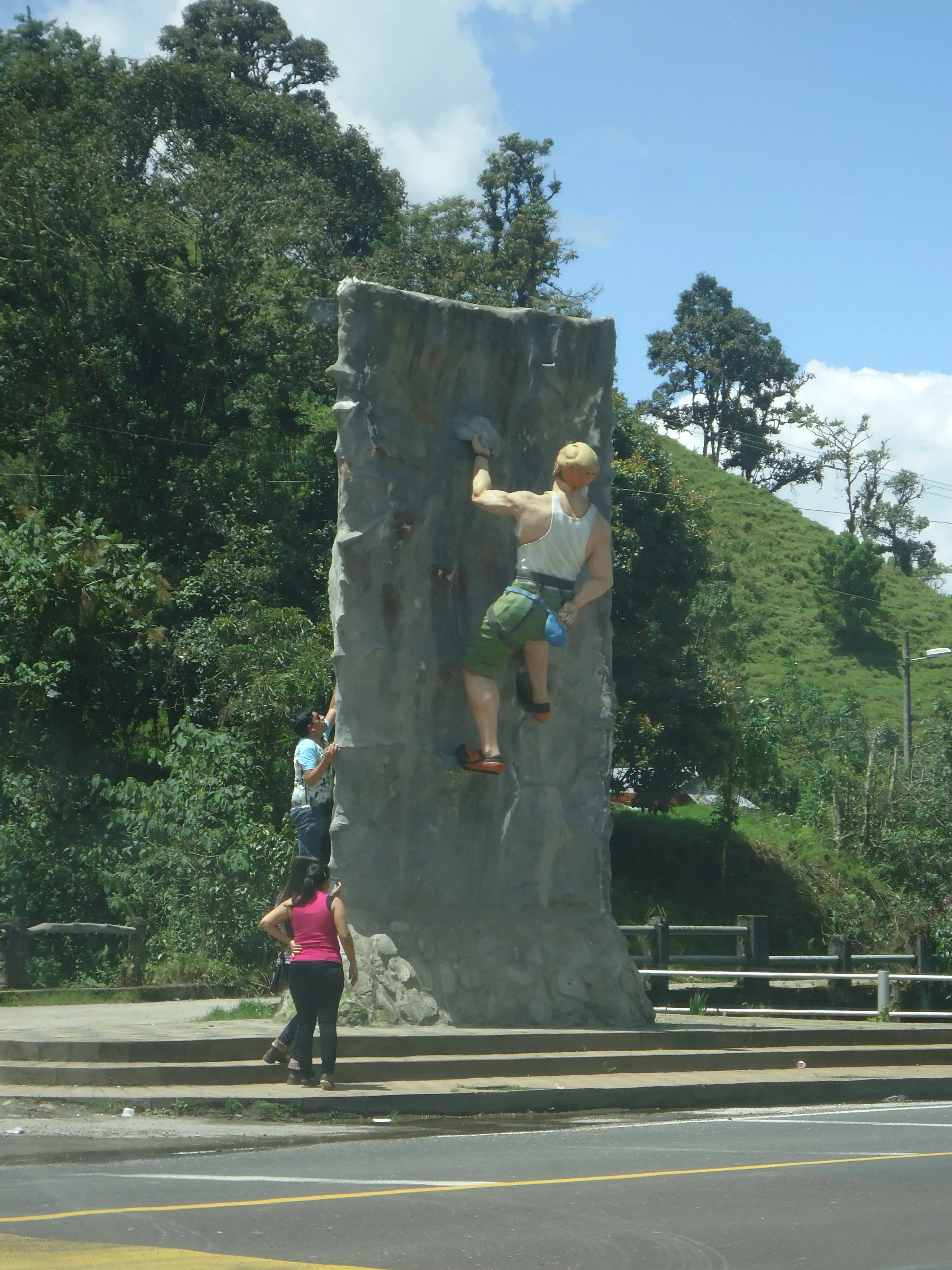
Climbers know the village for its basalt walls. Sport routes run to around 20 m, and some multi-pitch lines reach 60 m. The Monumento al Escalador beside the road celebrates that tradition.
4. Watch birds and hummingbirds
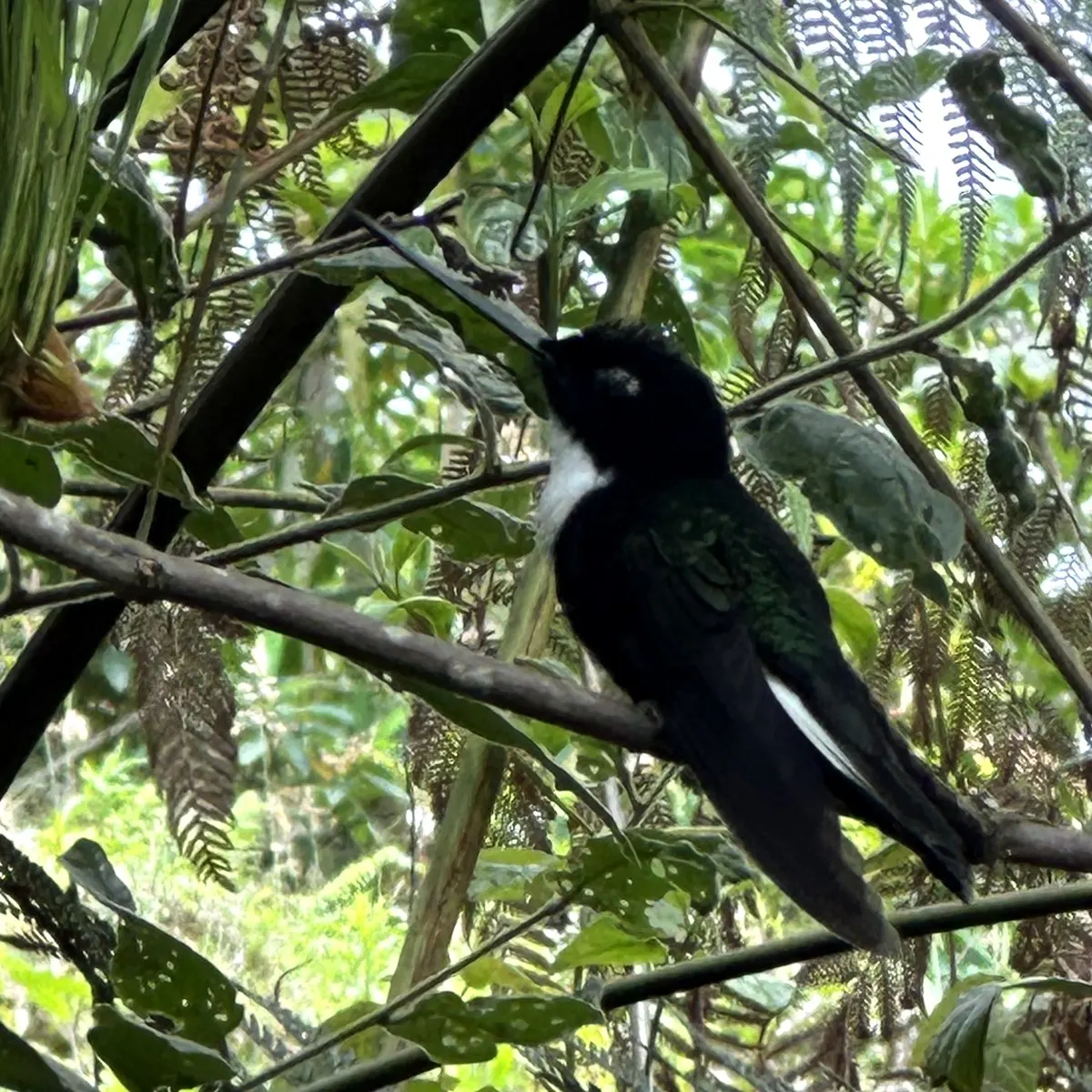
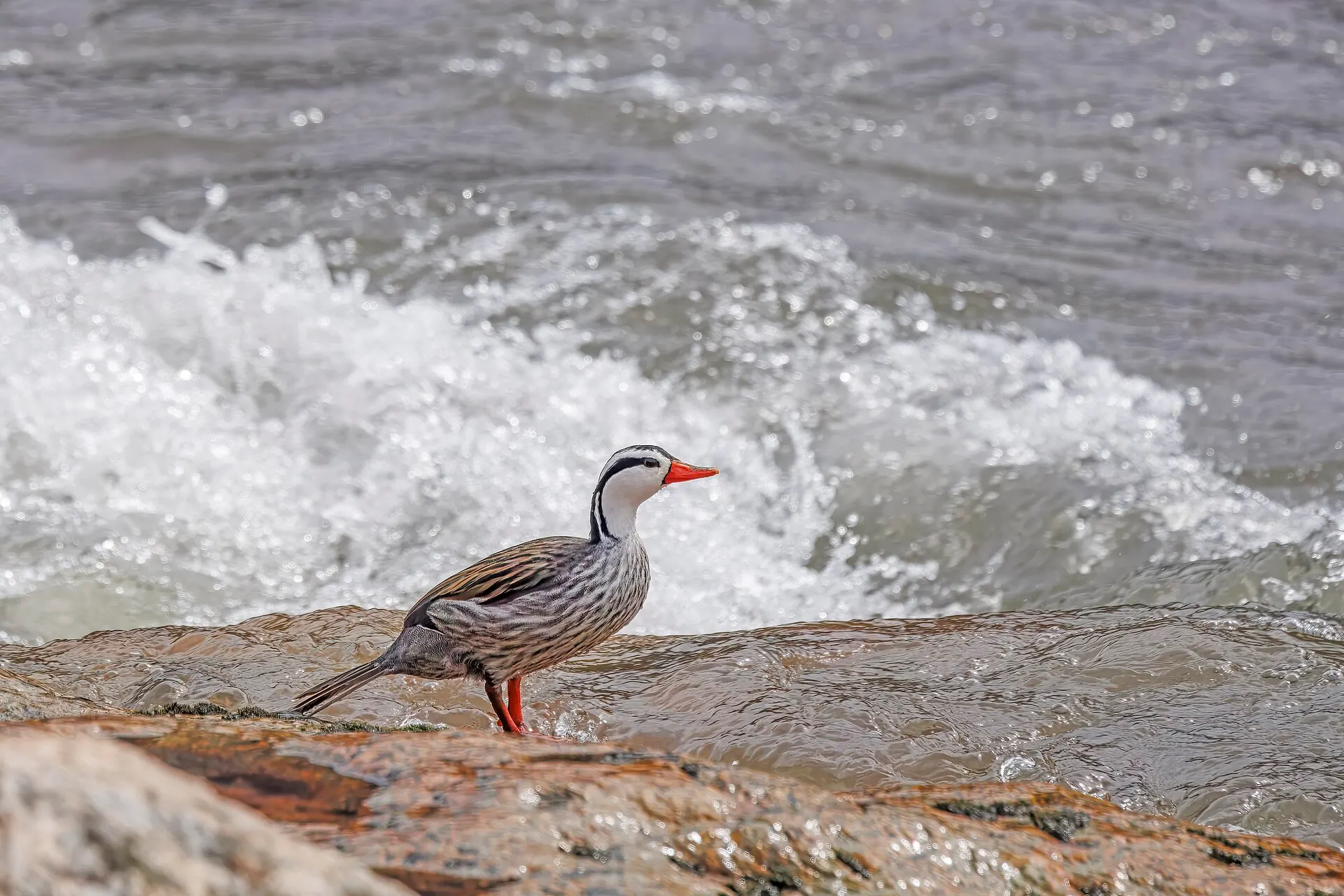
A bird survey in the Quijos Huayco sector recorded 141 species (Reyes Vargas et al., 2022). They included 14 hummingbirds, torrent ducks on the rivers and the endangered black-and-chestnut eagle. On our farm we have already photographed the collared inca. See the hummingbirds of the valley.
5. Soak in the Papallacta hot springs
The Termas de Papallacta are about 25 minutes uphill, at 3,250 m. They have public pools and a spa. After a cold, wet morning in the forest, warm water feels very good.
6. Walk the river trails at Guango
Guango is a forest reserve about 10 minutes up the road, at about 2,700 m. It has riverside trails and hummingbird feeders, and it was one of the first birding sites in the area.
7. Explore Cayambe-Coca National Park
The park covers 4,031 km² and borders the parish. Near Papallacta its lake system holds about 60 lagoons. Andean bears feed in the páramo near the pass.
A day in Cuyuja
Here is how we would spend one day here. Leave Quito early, because mornings are usually the clearest and the birds are most active. Stop at the páramo pass for the view, then drop down through the cloud forest.
- Morning: birds and hummingbirds while the light is soft. Bring binoculars and a warm layer.
- Late morning: a short walk to the Huila viewpoint or a waterfall, if the trail is not too muddy.
- Afternoon: a climb on the basalt walls, or a drive back up to the Papallacta hot springs.
- Evening: drive back to Quito before dark, or stay a night at a nearby lodge such as Guango.
Cayambe-Coca National Park and Baeza, next door
Cuyuja sits between a national park and the old capital of the Quijos valley. Both are easy add-ons to a visit.
Cayambe-Coca National Park
Cayambe-Coca covers 4,031 km² of páramo and Andean forest. It was created in 1970 as an ecological reserve and became a national park in 2010. The park records 106 mammal species, 395 birds, 70 reptiles and 116 amphibians.
Most of Cuyuja parish lies inside it or the Antisana reserve. The usual entrance is near the Papallacta hot springs, where a lake system of about 60 lagoons begins. Our farm is outside the park, on the E20 road below it.
Baeza and the Quijos valley
Baeza is the seat of Quijos canton, about 20 minutes east of Cuyuja. It was founded on 14 May 1559 by Gil Ramírez Dávalos. At around 1,900 m it is warmer and wetter than Cuyuja, with about 2,220 mm of rain a year. It has fuel, shops and places to eat.
When is the best time to visit Cuyuja?
Any month works for birds, but drier, clearer days are more likely from about November or December to February. May to August are the wettest months.
The climate is temperate and very humid. Temperatures stay around 10–16 °C, and it can rain in any month.
For birds, the season matters less. At nearby Guango, birders report very little seasonal change in the species. Any time of year can be good. Just come ready for mist and rain.
Wildlife named after the village
Some species carry the parish's name. There is a small, near-threatened frog and an orchid called Ponthieva cuyujana. A blueberry-family shrub is called Psammisia cuyujensis.
Andean bears are sometimes seen on the road toward Papallacta. A mother with two cubs was filmed crossing it in October 2025. Drive slowly, keep your distance and never feed them. Mountain tapirs also live in the park, but they are rarely seen.
History and traditions
Most people here identify as mestizo, and some as Amazonian Kichwa. Dairy farming and agriculture are the main livelihoods. Local heritage includes the archaeological sites of Cuyuja Huila, La Esperanza and Cahuatija.
Oral traditions include the Story of the Virgin of Quijos and the Tale of the Wizard of the Cave. There is also the Legend of the White Guinea Pig. Nobody we know of has published the meaning of the village name.
The rivers matter far beyond the valley. The Chalpi, Blanco, Victoria, Molana and Quijos all drain toward the Amazon. Two national water projects here supply drinking water to Quito.
How do you get to Cuyuja from Quito?
Drive or take a bus east from Quito on the E20 through Papallacta. It is about 88 km, and the trip takes 1 h 30 to 2 h.
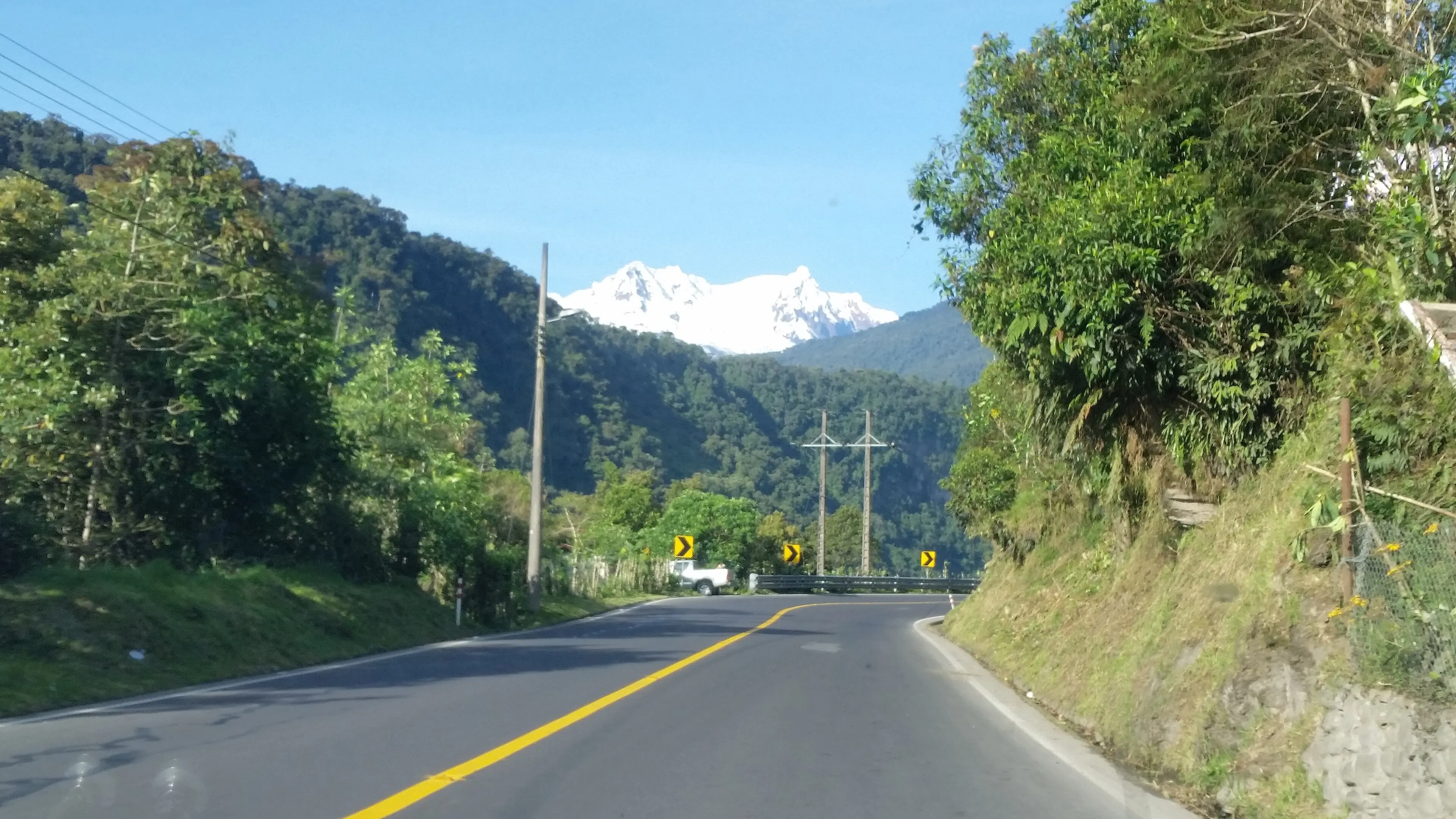
From Quito take the road through Pifo to Papallacta (E20). The road crosses a páramo pass at about 4,000 m, then drops through cloud forest. Allow extra time in rain or fog.
By bus, take anything from Terminal Quitumbe heading to Baeza, Tena, Coca or Lago Agrio. All of them pass through the village. Ask the driver to drop you off, and confirm the fare at the terminal.
Landslides closed the road several times in 2025. When that happens, traffic detours through Ambato, Puyo and Tena. Check the road status with MTOP or ECU 911 before you travel. Full directions.
Altitude and what to bring
Quito sits at about 2,850 m, so coming here you go down, not up. That is easier on the body. The pass on the way is much higher, though, and it is cold and windy.
- A rain jacket and waterproof shoes.
- Warm layers, especially for the pass.
- Binoculars, and a camera with a rain cover. Our photography tips help in misty light.
- Cash, because this is a rural area.
- Sunscreen and insect repellent, even on cloudy days.
Cuyuja: FAQ
Where is Cuyuja, Ecuador?
In Quijos canton, Napo province, on the E20 road between Papallacta and Baeza, on the eastern slope of the Andes. It is about 88 km (1 h 30 – 2 h) from Quito.
What is the altitude of Cuyuja?
The village sits at about 2,370–2,400 m. The parish itself runs from montane forest up to the páramo and the snows of Antisana.
What is the weather like in Cuyuja?
Temperate and very humid: about 10–16 °C in the inhabited area, humidity above 80% and rain in every month. May to August are the wettest months.
What is there to do in Cuyuja?
Waterfalls, rock climbing and birding are the main things to do. Visit the Quinjuanchico and Jatuntinajua waterfalls and the Huila viewpoint, or combine a trip with the Papallacta hot springs or Baeza.
Sources
- GAD Parroquial de Cuyuja, general data and waterfalls.
- Reyes Vargas, M.V. et al. (2022), birds of Quijos Huayco. Siembra 9(2). doi:10.29166/siembra.v9i2.3725
- Population: citypopulation.de (2022 census). Climbing: Mountain Project.
- Wikipedia: Cayambe Coca National Park, Papallacta. Guango seasonality: 10,000 Birds.
- Bear sighting, October 2025: Teleamazonas.