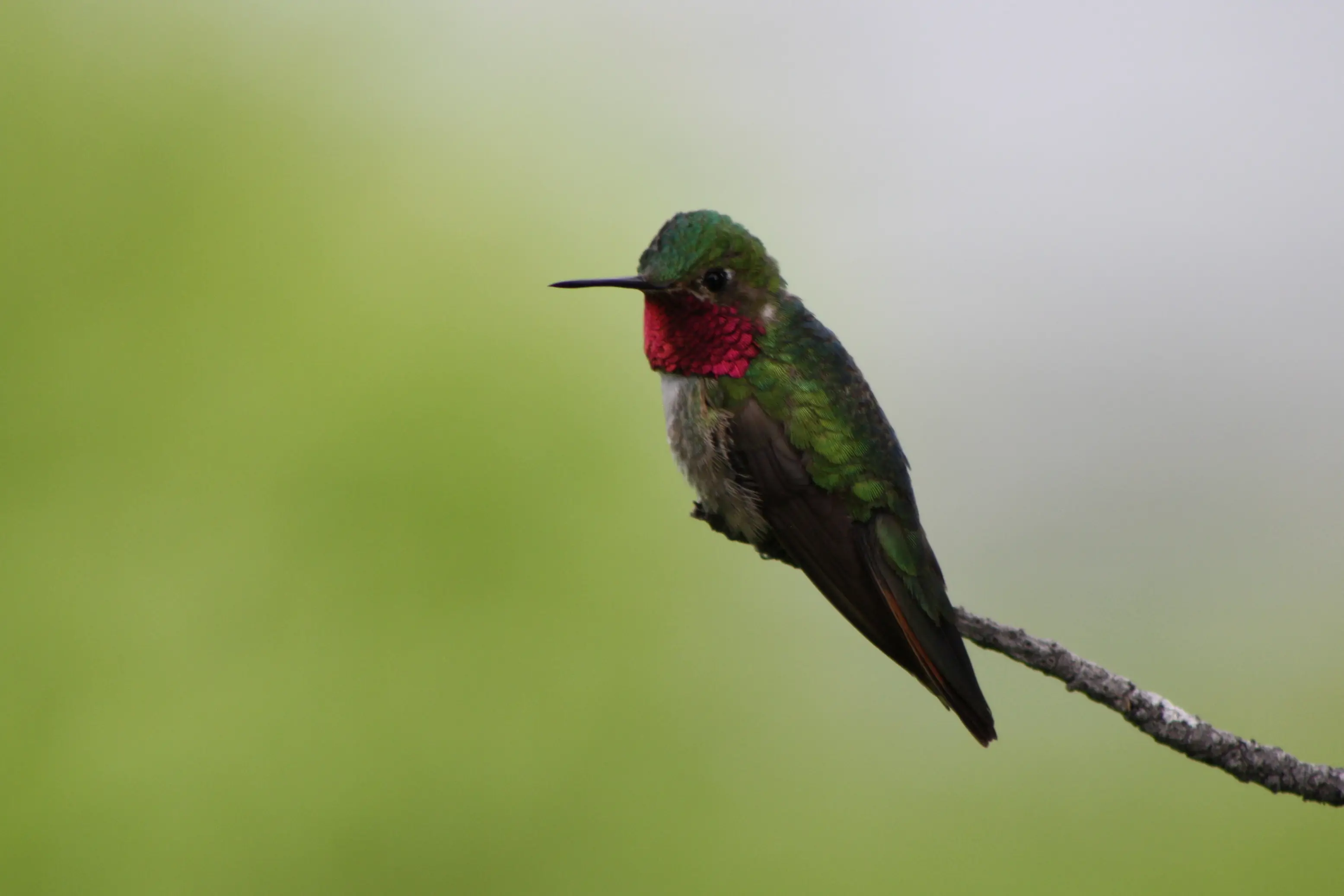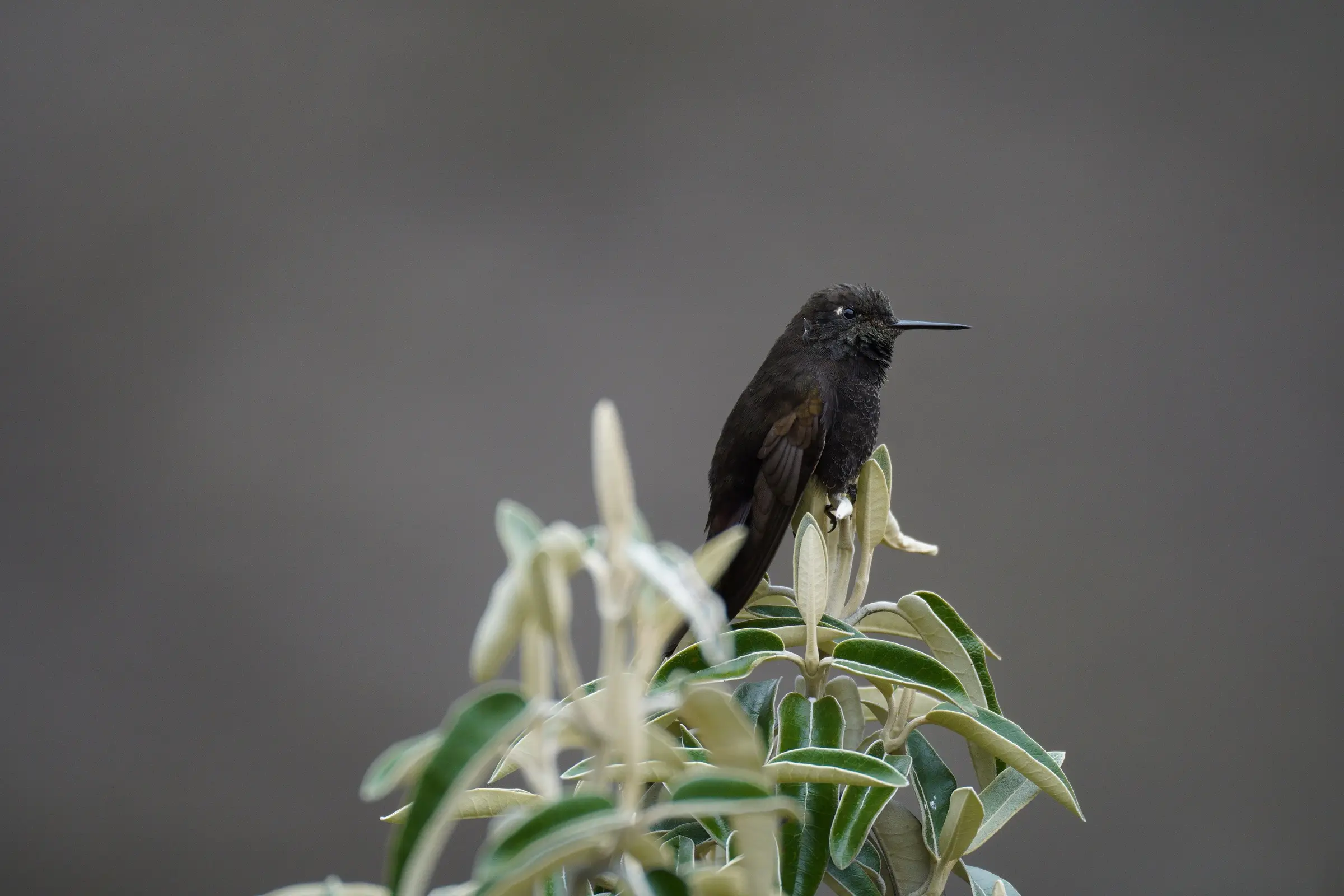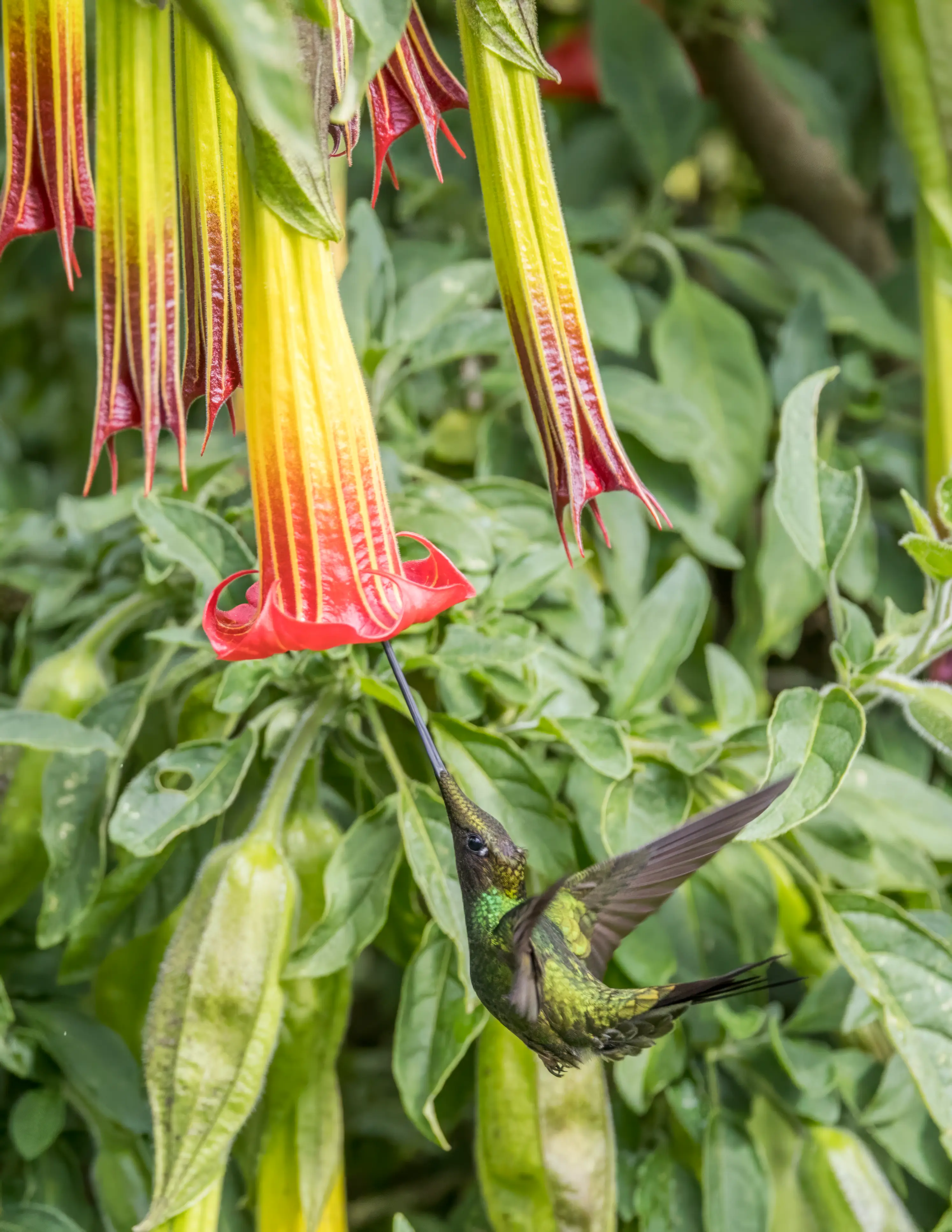
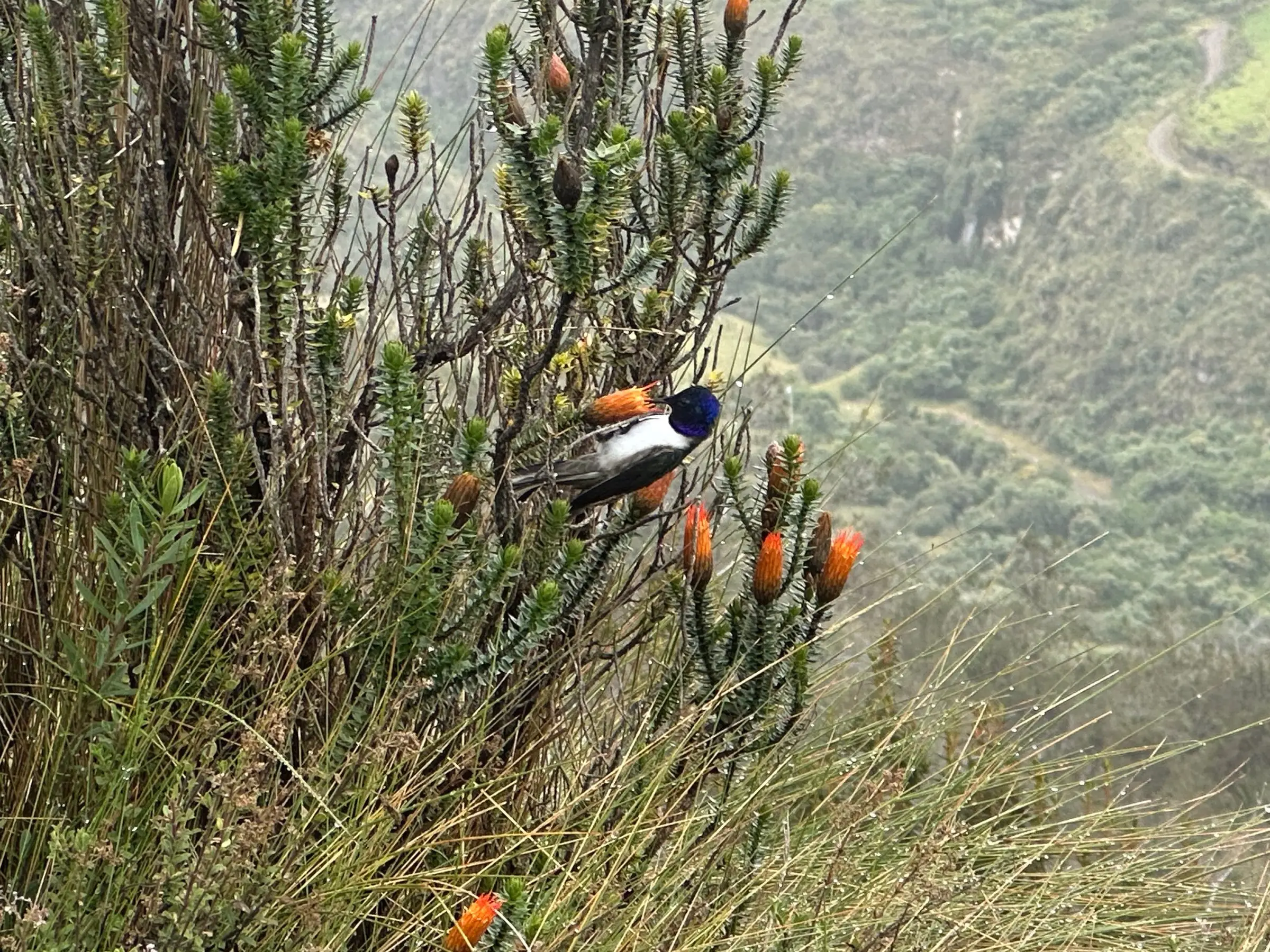
Hummingbird in Spanish is colibrí (koh-lee-BREE), a masculine noun: el colibrí, plural colibríes. But the word changes with the map. The RAE dictionary lists 16 synonyms, from picaflor in Argentina and Chile to quinde here in the Ecuadorian Andes and chuparrosa in Mexico.
How do you say hummingbird in Spanish?
Say colibrí, with the stress on the last syllable: koh-lee-BREE. Every Spanish speaker understands it, and it is the headword in the Diccionario de la lengua española (DLE), the dictionary of the Royal Spanish Academy and its 22 sister academies.
The DLE defines it as an American bird of the hummingbird family, some of whose species are extremely small. It hovers to sip nectar and has bright, colourful plumage. As for its origin, the DLE says only that the word is Caribbean. So if you need one safe word for hummingbird in Spanish, colibrí is it.
Still, Spanish covers most of the hummingbirds' range, and many regions prefer their own name. Some of those local names are far more vivid than colibrí.
16 Spanish words for hummingbird
These are the names we could verify in the DLE or in the Academies' Diccionario de americanismos. Each one simply means hummingbird in Spanish somewhere in Latin America.
- Colibrí (koh-lee-BREE): the general word, understood everywhere.
- Picaflor (pee-kah-FLOR): literally "flower-pecker", from picar and flor. The DLE gives it with no regional mark.
- Chupaflor (choo-pah-FLOR), "flower-sucker": Colombia, Honduras, Mexico, Puerto Rico and Venezuela.
- Chuparrosa (choo-pah-RROH-sah), "rose-sucker": Mexico and Spanish speakers in the United States. In English it is usually spelled with one r, chuparosa, which is also the name of a desert shrub (Justicia californica) that hummingbirds feed on.
- Chupamirto (choo-pah-MEER-toh), "myrtle-sucker": Mexico, especially the south, and Honduras.
- Chupamiel (choo-pah-MYEL), "honey-sucker": Guatemala, Honduras, Mexico and Nicaragua.
- Zumbador (soom-bah-DOR), "the buzzer": Mexico, Puerto Rico and the Dominican Republic.
- Quinde (KEEN-deh): Ecuador, Peru and southwest Colombia, from Quechua.
- Tucusito (too-koo-SEE-toh): Venezuela.
- Zunzún (soon-SOON): Cuba, an imitation of the buzz of its wings.
- Tominejo or tomineja (toh-mee-NEH-hoh): central Colombia, from tomín, an old weight of about 0.6 g, for its smallness.
- Rumbo (ROOM-boh): Colombia.
- Gurrión or gorrión (goo-RRYON): Costa Rica, Honduras, El Salvador and Nicaragua.
- Chichinflor (chee-cheen-FLOR): Honduras.
- Tentenelaire (ten-teh-neh-LAI-reh), "hold-yourself-in-the-air": Argentina, per the DLE.
- Pájaro mosca (PAH-hah-roh MOHS-kah), "fly bird": from Mexico and the Caribbean to Ecuador and Uruguay.
Everywhere else gorrión means a sparrow; it only means hummingbird in Central America. We left out names that no dictionary or academic source confirms.
Hummingbird in Spanish by country
Which word for hummingbird in Spanish you hear depends on the country. Use colibrí anywhere; add the local name to sound like a neighbour. This table sums up the dictionaries and the species names that eBird's country lists use.
| Country | Names for hummingbird | Source |
|---|---|---|
| Mexico | colibrí, chuparrosa, chupamirto, chupaflor, chupamiel, zumbador | DLE, Americanismos |
| United States (Spanish) | colibrí, chuparrosa | Americanismos |
| Guatemala, Honduras, El Salvador, Nicaragua | colibrí, chupamiel, gurrión, chichinflor (Honduras) | DLE, Americanismos |
| Costa Rica | colibrí, gorrión, gurrión | DLE |
| Cuba | zunzún; the bee hummingbird is the zunzuncito | DLE, eBird |
| Dominican Republic, Puerto Rico | zumbador, chupaflor (Puerto Rico) | DLE, Americanismos |
| Venezuela | colibrí, tucusito, chupaflor | DLE, eBird |
| Colombia | colibrí, chupaflor, tominejo, rumbo; quinde in the southwest | DLE, Americanismos |
| Ecuador | colibrí, quinde (Kichwa: kinti) | DLE, Ministry of Education |
| Peru | colibrí, quinde | DLE |
| Argentina, Uruguay | picaflor; tentenelaire (Argentina); pájaro mosca (Uruguay) | DLE, Americanismos, eBird |
| Chile | picaflor | eBird |
The southern cone deserves a note. In eBird's Argentine Spanish list, 30 of the 35 locally named species are a picaflor, and all 12 in the Chilean list are. In Argentina, the only ones still called "colibrí" are two violetears of the genus Colibri.
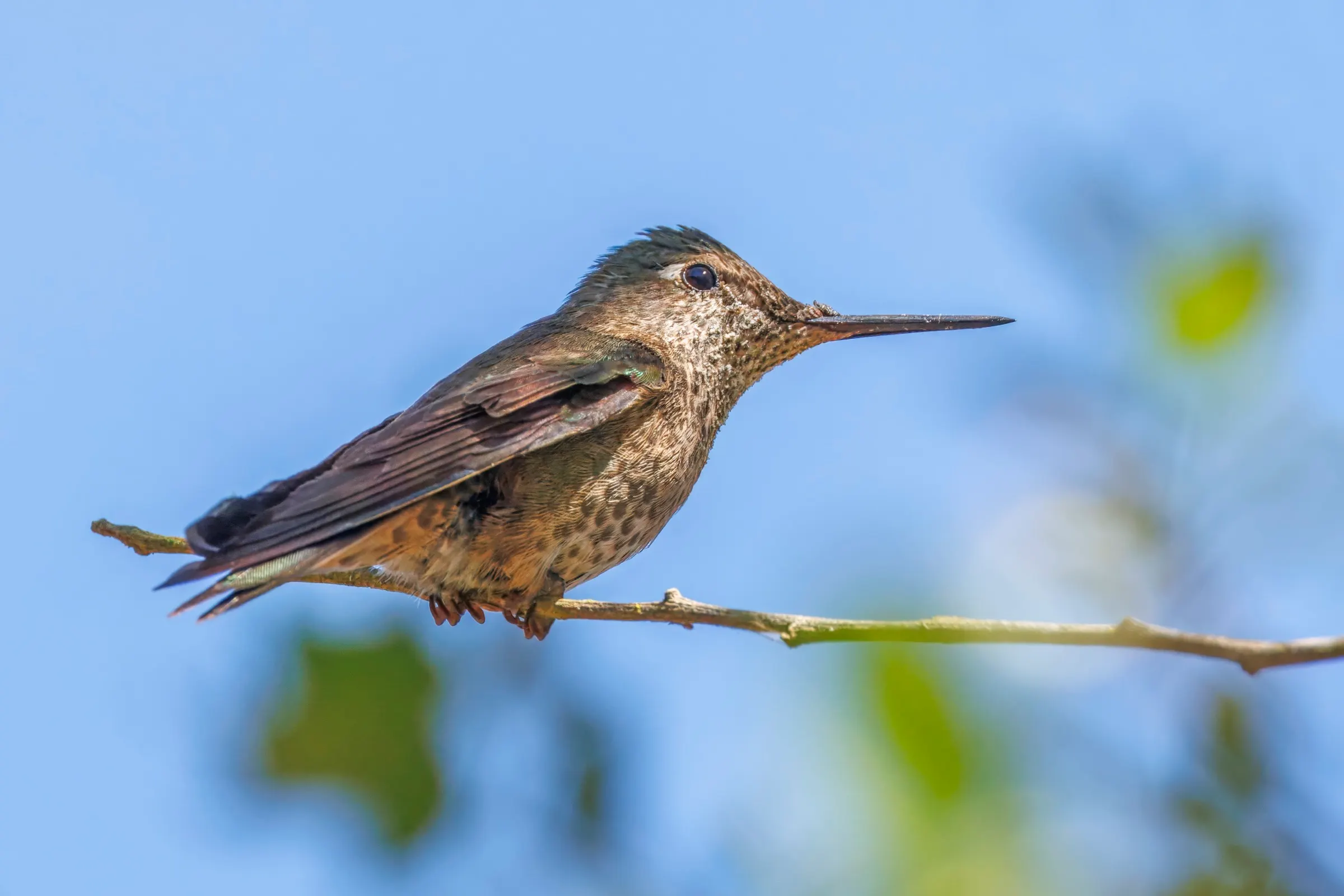
Quinde: the Andean name we use in Ecuador
Here in the Andes of Ecuador, the everyday hummingbird in Spanish is quinde as often as colibrí. The DLE marks quinde for Ecuador and Peru and traces it to Quechua quindi. The Diccionario de americanismos adds southwest Colombia.
In Ecuadorian Kichwa the bird is kinti. Ecuador's Ministry of Education explains it in its Kintiku Yachay early-years method: kinti is hummingbird, -ku a diminutive and yachay knowledge, so "the knowledge of the little hummingbird". One warning: the Diccionario de americanismos also lists quinde in Ecuador as slang for a person who drinks too often.
Gender and plural: el colibrí, los colibríes
Colibrí is masculine. Say el colibrí, un colibrí. It is an epicene noun, like most wild-animal names, so it keeps one gender for both sexes. The RAE's Diccionario panhispánico de dudas says you add macho or hembra when the sex matters: el colibrí hembra, not la colibrí.
For the plural, the same guide accepts both colibríes and colibrís, though careful writers prefer colibríes. Without the accent, "colibris" is simply a spelling mistake. The accent mark also tells you where the stress falls. Picaflor is masculine too (los picaflores), while chuparrosa can be el or la chuparrosa.
Useful hummingbird phrases in Spanish
Knowing the word for hummingbird in Spanish is a start. If you are visiting Ecuador or talking to a Spanish-speaking gardener, these phrases cover most situations.
| English | Spanish |
|---|---|
| hummingbirds | los colibríes (or los picaflores, los quindes) |
| hummingbird feeder | el bebedero para colibríes |
| hummingbird nectar, sugar water | el néctar, el agua azucarada |
| hummingbird nest | el nido de colibrí |
| baby hummingbird | el colibrí bebé, la cría de colibrí |
| male / female hummingbird | el colibrí macho / el colibrí hembra |
| flowers that attract hummingbirds | las flores que atraen colibríes |
| Look, a hummingbird! | ¡Mira, un colibrí! |
| Where can I see hummingbirds? | ¿Dónde puedo ver colibríes? |
Going the other way, colibri in English is simply hummingbird, and so are picaflor and chuparrosa. A "chuparosa bird" is any hummingbird. One exception for birders: Colibri in italics is also a genus, the violetears.
Our hummingbirds in Spanish
Beyond the general word, each hummingbird in Spanish also has a species name, and eBird's Ecuadorian Spanish list gives the ones used here. These are the species of the eastern Andes we write about, with their pages in Spanish.
- Collared Inca: inca collarejo. Photographed at San Pedrito in March 2025.
- Chestnut-breasted Coronet: coronita pechicastaña. Photographed at San Pedrito in May 2022.
- Buff-tailed Coronet: coronita colianteada, on the same page. Photographed at San Pedrito too.
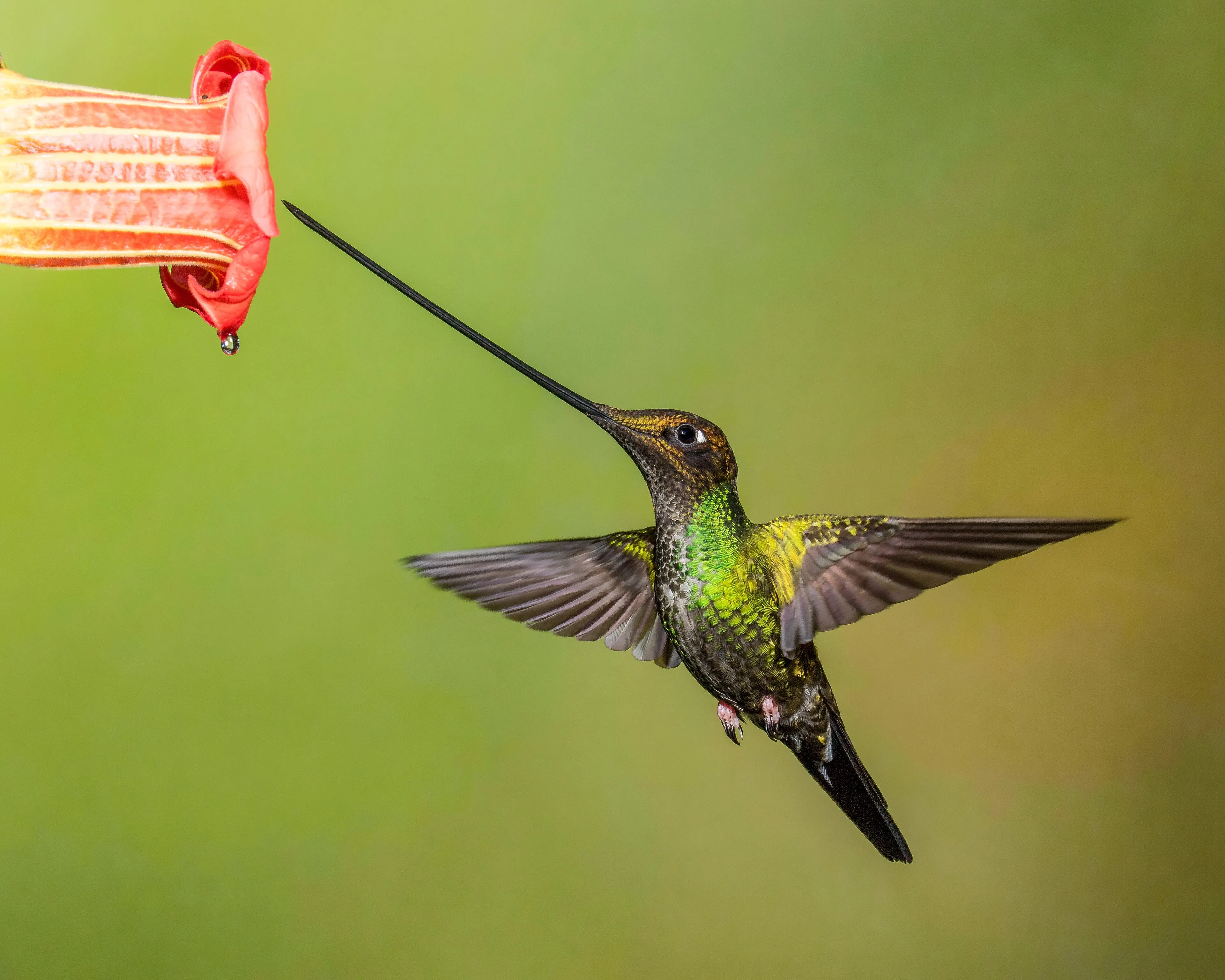
- Sword-billed Hummingbird: colibrí pico de espada (eBird writes Colibrí Picoespada).
- Long-tailed Sylph: silfo colilargo.
- Tourmaline Sunangel: solángel turmalina.
- Mountain Velvetbreast: colibrí terciopelo.
- Ecuadorian Hillstar: estrella ecuatoriana, a páramo bird that lives far above our farm.
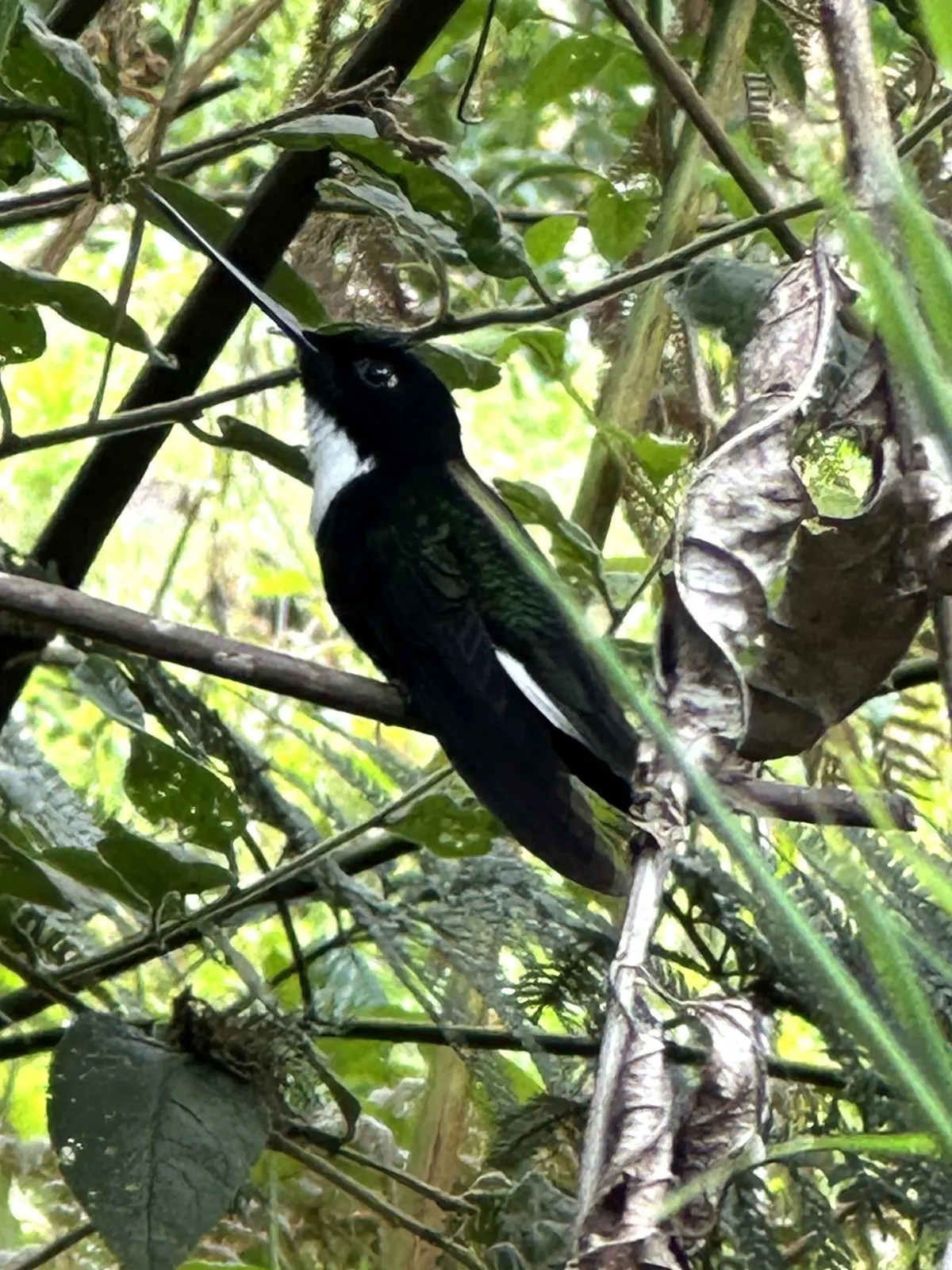
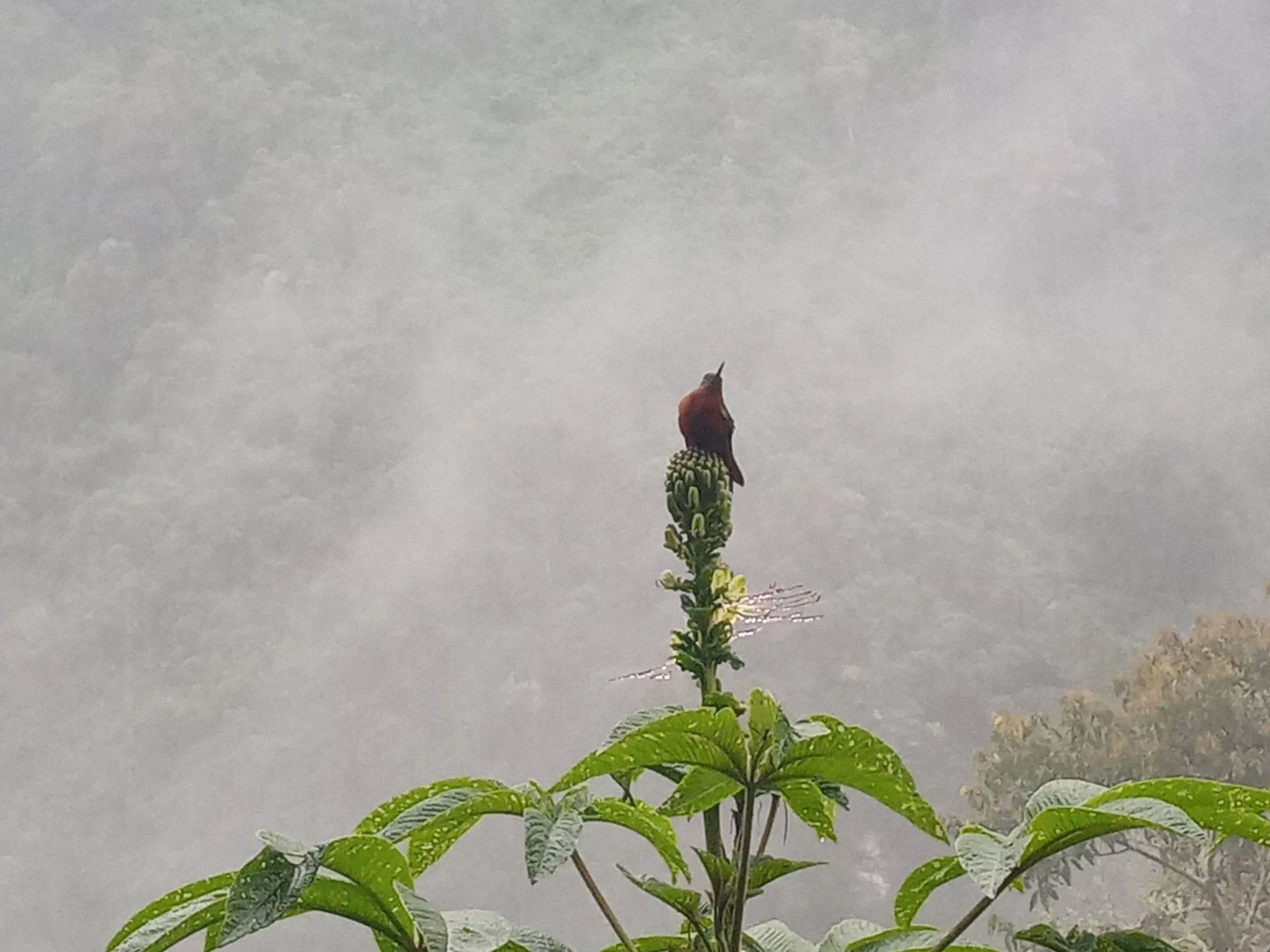
Is a colibrí a different bird from a hummingbird?
No. Whatever word you pick for hummingbird in Spanish, every name on this page refers to the same family, the Trochilidae, called troquílidos in the DLE definition. There is no separate bird called a picaflor or a quinde.
The family has 363 species, all of them in the Americas, according to Birds of the World. That explains the many names: Spanish speakers met these birds only in the Americas, and many regions coined their own word. Ecuador alone has about 130 species on eBird. Meet the hummingbirds of our valley.
Practise your hummingbird in Spanish in Cuyuja
Our family farm sits at about 2,330 m in Cuyuja, 30 minutes past Papallacta on the road to Baeza. We have photographed eight kinds of quinde here so far, from the collared inca to the tiny white-bellied woodstar. Learn more about Cuyuja or read how to plan a visit.
Hummingbird in Spanish: FAQ
How do you say hummingbird in Spanish?
The standard word is colibrí (koh-lee-BREE). It is masculine: el colibrí. Many countries also use local names, such as picaflor in Argentina and Chile or quinde in Ecuador and Peru.
What is the plural of colibrí?
Colibríes is the plural most careful writers use. The RAE also accepts colibrís, because words ending in a stressed -í take either -es or -s.
Is a picaflor the same as a colibrí?
Yes. The RAE dictionary defines picaflor simply as colibrí. Both words name the same family of birds, the Trochilidae. The choice between them depends on where the speaker is from, not on the bird.
What does quinde mean?
Quinde is the Andean word for hummingbird, used in Ecuador and Peru. It comes from Quechua quindi; in Ecuadorian Kichwa the bird is kinti.
What is a female hummingbird in Spanish?
Colibrí hembra, and a male is colibrí macho. The noun stays masculine, so you say el colibrí hembra, not la colibrí.
How do you say hummingbird feeder in Spanish?
Bebedero para colibríes. In Argentina and Chile you will also hear bebedero para picaflores. The sugar water inside is néctar or agua azucarada.
Sources
- RAE and ASALE, Diccionario de la lengua española: colibrí, picaflor, quinde, chuparrosa, chupamirto, chupaflor, chupamiel, zumbador, tucusito, zunzún, tominejo, rumbo, gurrión, gorrión, chichinflor, tentenelaire.
- ASALE (2010), Diccionario de americanismos: quinde, chuparrosa, chupamirto, chupaflor, tominejo, zumbador, pájaro mosca.
- RAE and ASALE, Diccionario panhispánico de dudas: plural (words ending in stressed -í) and género (epicene nouns).
- Ministerio de Educación del Ecuador (2020), Metodología Kintiku Yachay o "Saberes del pequeño colibrí" (Kichwa kinti).
- Winkler, Billerman & Lovette (2024), Hummingbirds (Trochilidae), Birds of the World, Cornell Lab.
- eBird / Clements taxonomy, Spanish common names by country (Argentina, Chile, Ecuador), consulted October 2026; Ecuador bird list.